Lecture V - Errors and Debugging
Programming with Python
Kühne Logistics University Hamburg - Fall 2026
Checkpoint 2
The first 40 minutes are the checkpoint. It starts now.
- Individual work: no AI, no neighbors, no messaging
- Slides, the cheatsheet and your own notebooks may be open
- The link is on Moodle. Open it and start
- ~6 short tasks: write code, trace code, fix a bug, answer a multiple choice
- It sweeps Sessions III-IV: functions, scope, classes, lists and dictionaries, comprehensions
When you’re done
Cmd/Ctrl+S, then menu → Download → Download Python code → upload the .py to the “Checkpoint 2” assignment on Moodle, before the 40 minutes are up. No retakes: one sitting.
The live checks under the tasks are provisional. The final grading runs on my side. Everything in it comes from Sessions III-IV.
EP 5: 3-AM Checkout
After the checkpoint
On to Episode 5.
At 3 AM, running on his fourth energy drink, Tobi rewrote the entire checkout “to make it faster.” He went to bed very pleased. This morning two things are true: the register is a minefield of crashes, and the health inspector just called to announce a surprise visit.
So today the code learns to survive things going wrong. We read a traceback, catch failures with try/except, and let our own code refuse bad input.
Reading the Explosion
Tobi’s 3-AM checkout, live
float(...) turns text into a number: float("4.50") is 4.5. Then a customer typed generous into the tip box:
Python stopped and printed a traceback, a crash report. It tells you what went wrong and where:
Traceback (most recent call last):
  File "checkout.py", line 12, in <module>
    tip = float(tip_text)
ValueError: could not convert string to float: 'generous'
Read the traceback bottom-up
You read a traceback from the bottom up:
- the last line names what went wrong (
ValueError) and gives a hint - the lines above show where: the file, the line number, the guilty code
      File "checkout.py", line 12, in <module>   ← WHERE it happened
        tip = float(tip_text)                    ← the exact line
    ValueError: could not convert ...            ← WHAT went wrong (read me first)
Two facts and you know where to go: line 12, and it’s a ValueError. The rest of the traceback is context around those two facts.
The big five (1)
Python calls an error an exception, and a handful of exception types cover almost everything you’ll hit. The first three:
ValueError: right type, senseless value, as inint("lots")TypeError: the wrong type entirely, like"Bowl " + 9KeyError: a dictionary key that isn’t there (table_map["C3"])
Each one is Python refusing to guess. int("lots") has no sensible number; "Bowl " + 9 mixes text and a number; table_map["C3"] asks for a key that was never added.
Predict: comma or point?
A regular from Hamburg types the price the German way. What happens when this runs?
a) prints 5.5 as a float b) raises ValueError c) raises TypeError
Predict. Pick a letter, then I reveal the answer.
Answer: right type, senseless value
---------------------------------------------------------------------------
ValueError                                Traceback (most recent call last)
Cell In[1], line 2
      1 price_text = "5,50"
----> 2 price = float(price_text)
      3 print(price)

ValueError: could not convert string to float: '5,50'
b) raises ValueError: float() got what it expects, a string, so the type is fine. But "5,50" is not a number Python can read (it only knows the decimal point), so the value is refused. TypeError would need a non-string, like float(None).
The big five (2)
The other two you’ll meet constantly:
IndexError: a list position past the end, likeseats[9]on a 3-item listZeroDivisionError: dividing by zero, as in88.00 / 0when splitting a bill among no guests
You don’t have to memorize all of Python’s exceptions. Recognize these five on sight, and read the last line for the rest.
Your turn
Open the exercise
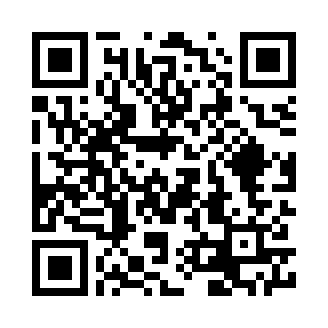
Scan the QR or type the link:
python.tobiasvlcek.com/notebooks/ex_05_a/
Any questions? Let me know!
try / except: catch the fall
First, the happy path: text that looks like a number converts cleanly; text that doesn’t, explodes. A try / except block runs the risky code and catches the failure instead of stopping the program:
5.5
0.0
The risky line goes in the try; the recovery goes in the except. No crash. The program lands in the except and carries on.
Catch the specific type
Name the exact exception you expect. except ValueError: catches only value errors and lets anything else through:
A bare except: catches everything, including your own typos (a misspelled variable would vanish silently). Catch the specific type, so real bugs still surface.
Predict: which explosion?
Tobi builds a table label. guests is the number 3. What happens when this runs?
a) raises TypeError b) prints Party of 3 c) raises ValueError
Predict. Pick a letter, then I reveal the answer.
Answer: text plus number fails
TypeError: can only concatenate str (not "int") to stra) raises TypeError: + can glue two strings or add two numbers, but it refuses to mix a string and an int. The fix is to convert first (str(guests)).
as e keeps the error object in a variable, so you can print its message instead of losing it. Any name works; e is the habit.
Your turn
Open the exercise
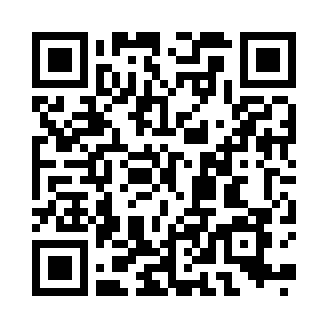
Scan the QR or type the link:
python.tobiasvlcek.com/notebooks/ex_05_b/
Any questions? Let me know!
Debug and Defend
The debugging loop
When something is wrong, you don’t guess randomly. You follow a loop:
- Read the traceback: it hands you the what and the where
- Reproduce the crash: make it happen on demand
- Isolate: narrow down to the smallest failing piece
- Fix: change one thing, then run again
Find the broken thing, make it repeat, corner it, fix it. Panic is not a step.
print(): the beginner’s help
The simplest debugger is a well-placed print(). When you can’t see what a value is, shine a light on it:
DEBUG qty = 3 price = 5.5
16.5
Real debuggers with breakpoints exist and are wonderful, but a print() in the right spot solves most beginner bugs in seconds. Remove it once you’ve seen enough.
raise: when your code should refuse
Sometimes your own code should reject bad input on the spot. The inspector’s rule is non-negotiable: every price ≥ 0. raise throws an error deliberately:
refused: price cannot be negativeA bad value stops here, instead of poisoning the program three screens later.
assert: a tripwire for invariants
An assert guards an invariant, a fact that must always hold. If it’s true, nothing happens; if it’s false, the program stops right there with an AssertionError:
passed the tripwire: 9.6Think of it as a note to yourself, checked automatically: “if this is ever false, something broke earlier. Stop before it spreads.”
Predict: does the print survive?
The bill is being split, but nobody is at the table. What shows up?
a) AssertionError, and the print never runs b) prints splitting the bill among 0 c) the message, then the print line as well
Predict. Pick a letter, then I reveal the answer.
Answer: the tripwire stops it all
---------------------------------------------------------------------------
AssertionError                            Traceback (most recent call last)
Cell In[7], line 2
      1 guests = 0
----> 2 assert guests > 0, "no guests at the table"
      3 print("splitting the bill among", guests)

AssertionError: no guests at the table
a) AssertionError, and the print never runs: a failing assert raises on the spot, and nothing after it in the program executes. That’s the point of a tripwire: stop before a wrong number spreads.
Try, then fall back
A friendly, common pattern: try the risky thing; if it fails, fall back to a sensible default so the program keeps moving.
6
2
The caller never sees a crash. Garbage in, sane default out. Not every check needs a try: isinstance(x, (int, float)) answers is this a number? with True/False, so an if skips bad values first.
Predict: after the except?
to_price catches a bad value and returns 0.0. After that, does the program reach the next line?
a) it never runs: the program already stopped b) the try block runs a second time c) it runs normally: the program carried on
Predict. Pick a letter, then I reveal the answer.
Answer: it carries on
0.0
checkout still running
c) it runs normally. That’s the whole point of try / except. It handles the failure; once the except has run, control simply drops to the code after it, as if nothing had gone wrong.
Your turn
Open the exercise
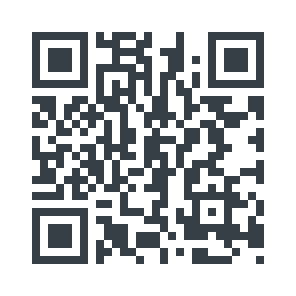
Scan the QR or type the link:
python.tobiasvlcek.com/notebooks/ex_05_c/
Any questions? Let me know!
To the Lab
After the break: the lab
- Head to the lab notebook: Episode 5: The 3-AM Checkout
- You’ll read a traceback, write a price box that won’t crash, fix Tobi’s 3-AM receipt, make your code refuse negative prices with
raise, and harden the whole checkout against a batch of poisoned orders - It runs entirely in your browser: no setup, just click and code
Download your .py before you leave. Closing the tab without downloading loses your work, and downloading is exactly how you just handed in the checkpoint. Expect red cells in this lab: you’ll cause errors on purpose. A red cell pauses everything below it. Fix it, and everything springs back.
Wrap-up
Three things to remember
- A traceback is a crash report you read bottom-up: the last line names what broke, the lines above show where
try/exceptcatches a failure so the program recovers instead of stopping. Catch the specific type (except ValueError), never a bareexceptthat also hides your own typos- Defend your own code:
raiseto refuse bad input (prices ≥ 0),assertto guard invariants, and a safe default if a conversion fails
Next time, Episode 6 starts with Checkpoint 3: 40 minutes, still no AI, everything from Sessions I-V. Slides, the cheatsheet and your own notebooks may be open. Then someone new walks into the shop, uncaps a marker, and writes one question on the whiteboard. Part II begins.
Literature
Books to start with
- Downey, A. B. (2024). Think Python: How to think like a computer scientist (Third edition). O’Reilly. Link to free online version
- Elter, S. (2021). Schrödinger programmiert Python: Das etwas andere Fachbuch (1. Auflage). Rheinwerk Verlag.
Nothing new here, but these are still great books to start with!
For more, see the literature list of this course.
Lecture V - Errors and Debugging | Dr. Tobias Vlćek | Home